
storm-prep | 4/17/2026
Spring Storm Ready: Essential Post-Storm Checks for Your Tupelo HVAC Condenser
Prepare your outdoor condenser after storms in Tupelo with key checks to prevent damage and ensure efficient cooling this spring season.
Related: Tupelo HVAC Guide
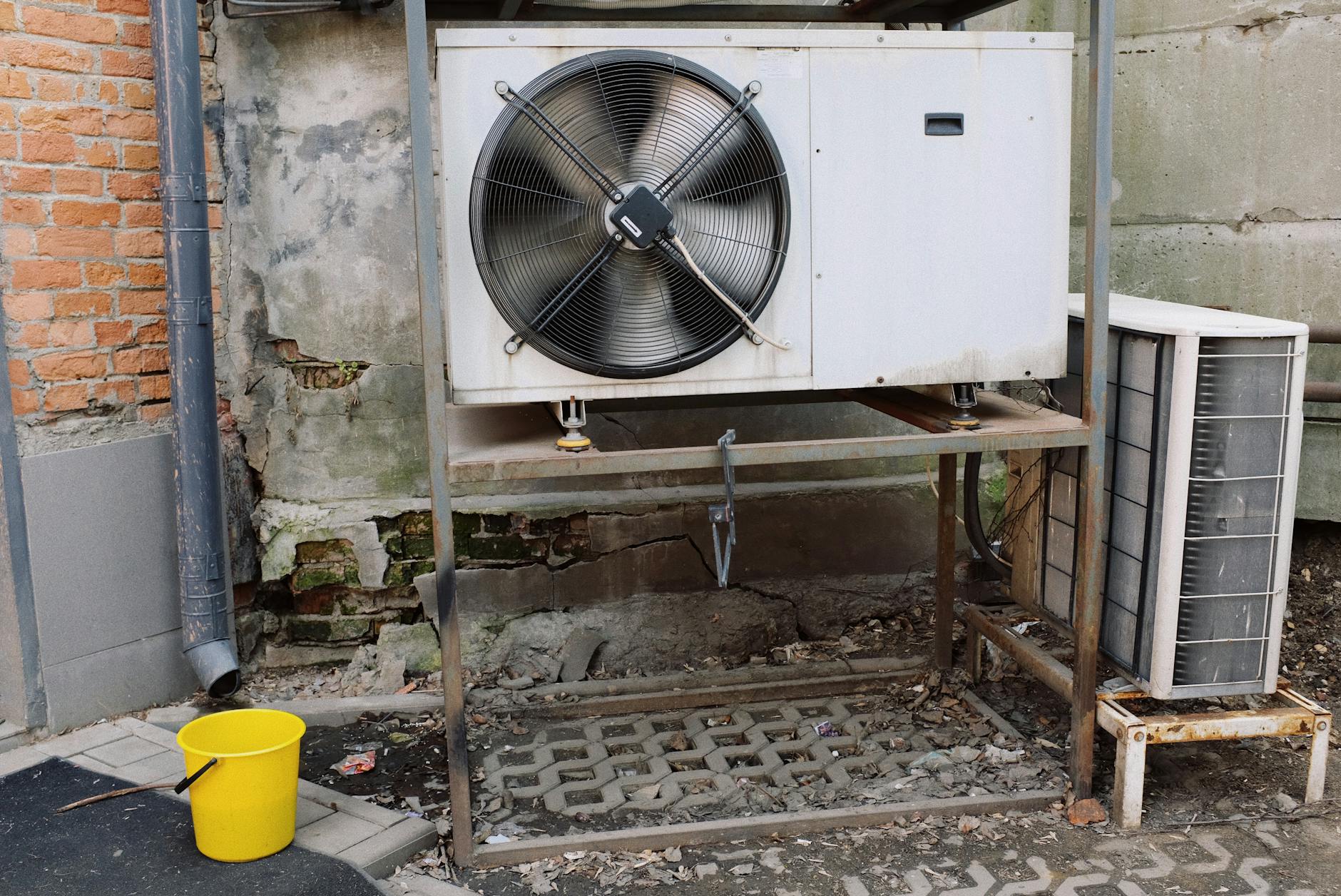
Spring in Tupelo brings unpredictable weather, including thunderstorms that can impact your outdoor HVAC condenser. After a storm, performing quick, thorough checks can prevent costly repairs and keep your AC running smoothly. Here’s how to assess your condenser and when to seek professional help.
Why Post-Storm Checks Matter in Tupelo
Storms can cause physical damage, debris buildup, or electrical issues with your outdoor condenser. Tupelo’s humid spring weather can lead to additional challenges like mold growth or corrosion if not properly maintained. Regular post-storm inspections help identify problems early, ensuring your system remains reliable during the warmer months.
Practical Steps for Post-Storm Condenser Checks
Follow this checklist after any significant storm:
- Clear Debris: Remove leaves, branches, and dirt from around the unit. Clear a 2-foot radius around the condenser to allow airflow.
- Inspect for Physical Damage: Look for dents, cracks, or bent fins. Damage may restrict airflow or lead to refrigerant leaks.
- Check Electrical Components: Ensure wiring is intact and connections are secure. Look for signs of corrosion or water intrusion.
- Examine Fan and Compressor: Spin the fan blades manually to check for obstructions or wobbling. Listen for unusual noises when the unit is running.
- Assess Leveling: Confirm the unit remains level. Shifts caused by ground movement or heavy rain can affect operation.
- Test Run the System: Turn on the AC and observe its operation. Listen for strange sounds, and check if the unit cools your home effectively.
Warning Signs You Need Professional Fix HVAC Tupelo
If you notice any of these issues, it’s time to contact a professional:
- The unit makes unusual noises or vibrates excessively.
- Visible damage, such as bent fins or cracked components.
- The system runs but fails to cool properly.
- Signs of water or refrigerant leaks around the unit.
FAQs
Q: How often should I check my outdoor condenser after storms?
A: It’s advisable to inspect your condenser immediately after any storm and periodically during the spring season, especially after severe weather events.
Q: Can I fix minor damage myself?
A: Basic cleaning and visual inspections are safe to do yourself, but any physical damage or electrical issues should be handled by a professional to ensure safety and proper repair.
Q: When should I call a professional for fix HVAC Tupelo?
A: If you detect damage, leaks, or system malfunctions after storm checks, schedule a professional service promptly to prevent further issues.
Stay proactive this spring—regularly check your outdoor condenser after storms to keep your Tupelo home cool and comfortable. For expert assistance, visit /ac-repair-tupelo/ or contact us today.
Next Steps
Use these links for service and follow-up:
Related: Tupelo HVAC Guide