
storm-prep | 11/20/2026
When Spring Storms Cross the Trace: A Tupelo HVAC Prep Plan
Prepare your Tupelo HVAC system for North Mississippi spring storms with practical steps for power outages, heavy rain, and post-storm checks.
Related: Tupelo HVAC Guide
Spring storms in Tupelo can bring sudden downpours, lightning, gusty winds, and power interruptions. A little preparation can help protect your Tupelo HVAC system and make it easier to spot trouble before the next warm, humid stretch.
Before storms reach North Mississippi
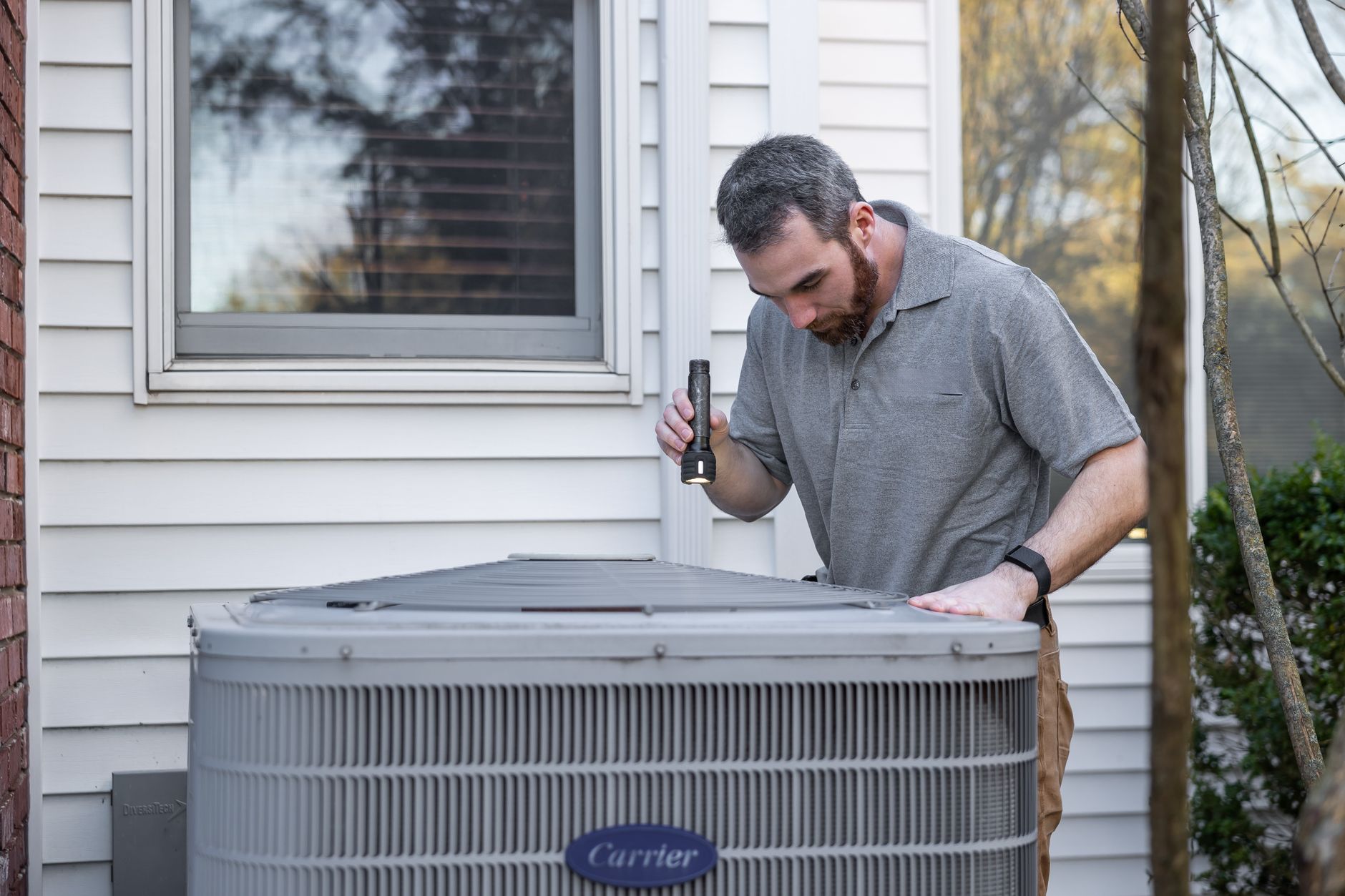
Use a clear day to check the area around your outdoor unit. Remove leaves, pine straw, and loose yard debris, and keep branches trimmed back. Don’t cover the unit: it needs open airflow, and a cover can trap moisture or obstruct operation.
A few practical steps:
- Check the condensate drain. Look for standing water near the indoor unit or a drain line that appears clogged. Water stains, damp flooring, or a full drain pan call for attention.
- Secure loose outdoor items. Bring in patio furniture and lightweight objects that could be blown into the condenser.
- Know your equipment shutoff. If flooding is possible, learn where the system’s electrical disconnect is. Don’t step into standing water to reach it.
- Consider surge protection. Ask a qualified HVAC professional or electrician whether protection is appropriate for your equipment.
- Set a storm plan. Know how to switch the system off at its controls if lightning or repeated power flickers occur.
After lightning, wind, or flooding
Wait until weather conditions are safe before checking equipment. Clear debris around the unit without opening panels or reaching inside. If the outdoor unit has shifted, its fins are heavily blocked, or water has covered the equipment, leave it off and arrange an inspection.
After a power interruption, follow the system’s reset instructions. Avoid repeatedly cycling the thermostat if power is unstable. Watch for warning signs such as a breaker that trips again, burning or electrical odors, unusual buzzing, weak airflow, water leaking indoors, or cooling that does not return after power is restored. Don’t remove electrical panels or attempt repairs yourself.
FAQ
Should I turn off my AC during a thunderstorm?
If lightning is nearby or power is flickering, turning the system off at its controls can reduce exposure to electrical disturbances. Don’t touch equipment or disconnects in wet conditions.
What if the outdoor unit is sitting in floodwater?
Keep the system off. Do not enter standing water or handle wet electrical equipment; contact a qualified technician to assess it before restarting.
When should I request service after a storm?
Request an inspection if you notice repeated breaker trips, burning smells, water leaks, visible equipment damage, or persistent cooling problems.
Need help with a storm-related concern? Request service · Contact us · Learn about AC repair in Tupelo · Read the Tupelo HVAC guide
Next Steps
Use these links for service and follow-up:
Related: Tupelo HVAC Guide